Gambling’s societal impact Unveiling hidden consequences

Gambling’s societal impact Unveiling hidden consequences
The Rise of Gambling in Society
In recent years, gambling has become more socially accepted, with casinos, sports betting, and online platforms gaining popularity. This shift has been fueled by legislative changes and the normalization of gambling in media and advertising. As a result, more individuals are engaging in gambling activities, often without fully understanding the potential repercussions of their actions, including the exciting world of best online casinos.
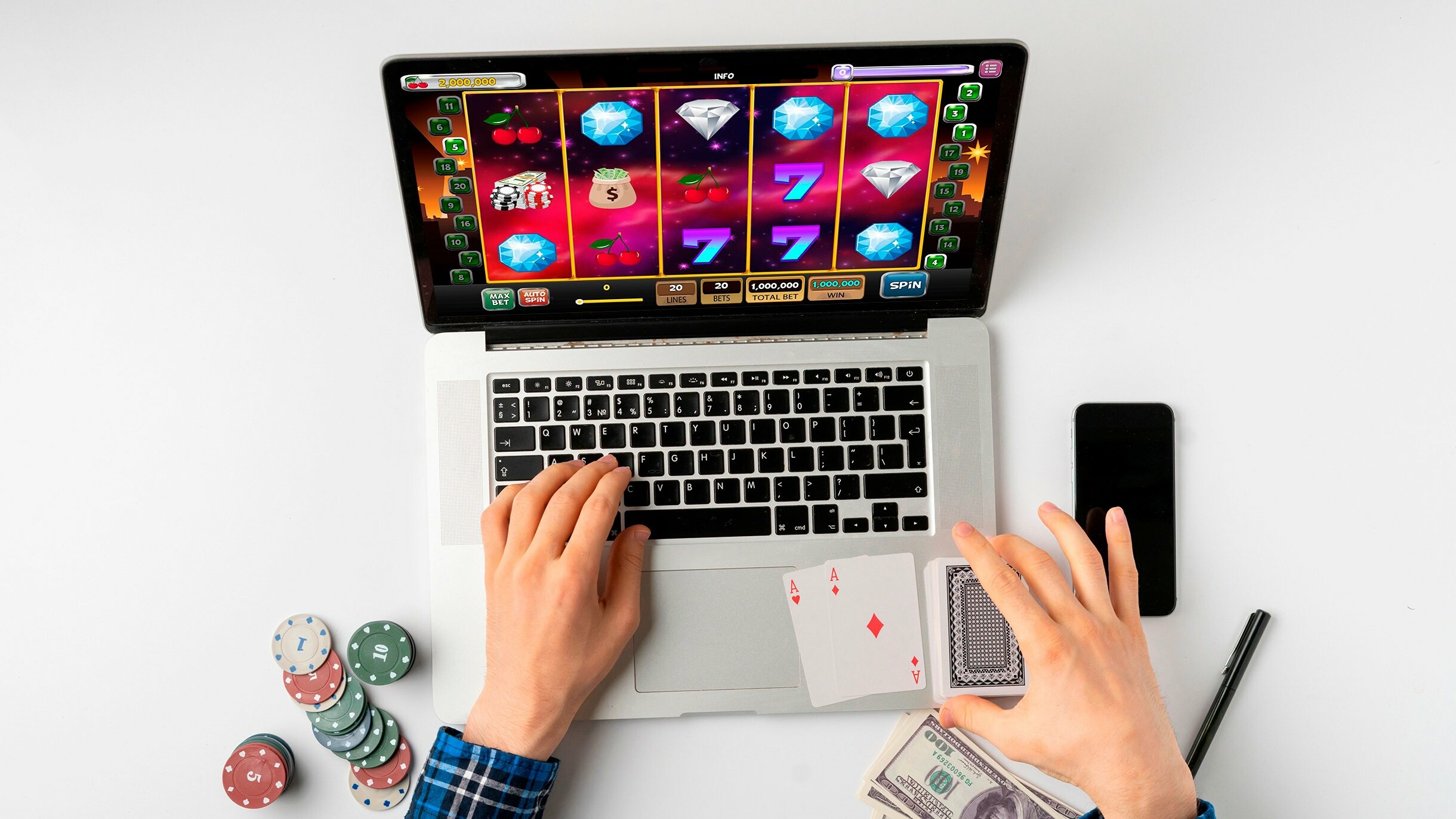
The widespread availability of gambling options can create an illusion of control, leading many to believe they can manage their habits. However, this misconception may contribute to rising addiction rates, as individuals often underestimate the risks associated with frequent gambling. The societal acceptance of gambling can mask these dangers, making it crucial to explore the underlying impacts it has on communities.
The Economic Consequences
Gambling is often touted as a significant contributor to local economies. Taxes from gambling operations can help fund public services, infrastructure, and education. While this economic boost can be beneficial, it often comes at a hidden cost. Communities may face increased crime rates and the deterioration of social fabric as gambling establishments attract individuals seeking quick thrills.
Furthermore, the economic benefits can be unevenly distributed. Larger corporations may reap the rewards, while local communities bear the brunt of the negative impacts. Increased gambling can lead to higher rates of bankruptcy and financial distress among individuals, thereby straining social services that must address the fallout of these economic disparities.
The Psychological Impact on Individuals
The psychological implications of gambling extend beyond individual players. While some may enjoy gambling as a recreational activity, others can develop gambling disorders, leading to significant emotional and mental health challenges. The thrill of winning can create an addictive cycle, where the chase for the next win becomes paramount, overshadowing personal responsibilities and relationships.
Moreover, the stigma surrounding gambling addiction often prevents individuals from seeking help. Many feel isolated and ashamed of their gambling behavior, which can exacerbate feelings of depression and anxiety. Understanding the psychological ramifications of gambling is essential to addressing the issue holistically, as support systems and education can play a critical role in recovery.
Impact on Families and Relationships
The consequences of gambling are not limited to the individual; families often bear the brunt of the fallout. Financial strain due to gambling can lead to conflicts and breakdowns in communication within families, creating a toxic environment. Spouses and children may feel the emotional impact as gambling behaviors escalate, often leading to distrust and resentment.
Additionally, relationships can become strained as gamblers prioritize their activities over familial responsibilities. This neglect can result in long-term damage, affecting children’s emotional well-being and stability. A family unit suffering from the impact of gambling may require comprehensive support to heal and rebuild trust among its members.

The Role of Awareness and Education
Addressing the societal impacts of gambling requires a multifaceted approach, emphasizing the importance of awareness and education. Public campaigns can highlight the risks associated with gambling, promoting responsible gaming practices. Understanding the signs of gambling addiction is crucial for early intervention, allowing individuals to seek help before their situation escalates.
Moreover, community resources and support groups can provide invaluable assistance for those affected by gambling. By fostering open dialogues about the hidden consequences of gambling, society can work towards mitigating its negative effects, promoting healthier attitudes towards gaming and gambling activities.